Technology
Reica Validation Layer
The control system behind production-ready still life. Reica's Validation Layer combines a governed generation pipeline with two proprietary validation systems, Similarity Score and Quality Score, to keep product fidelity high and batch output stable at catalog scale.
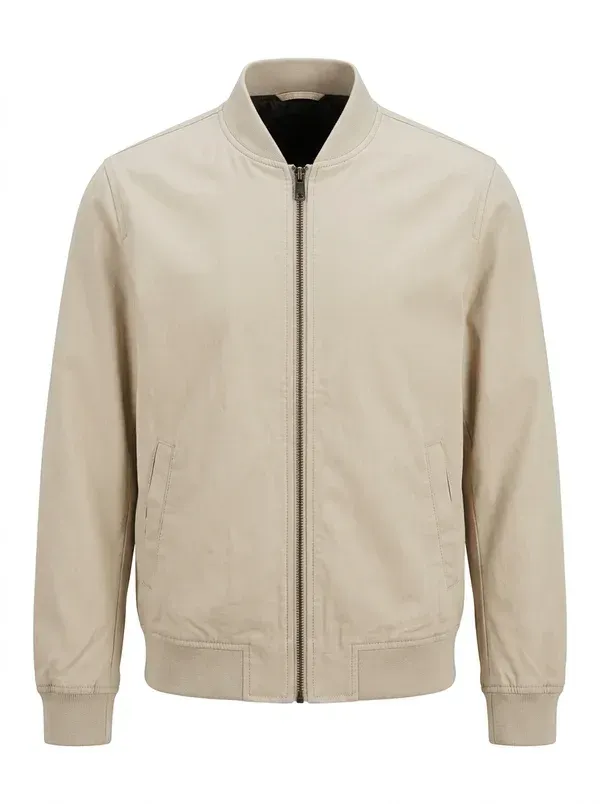
Both over 85: passes.
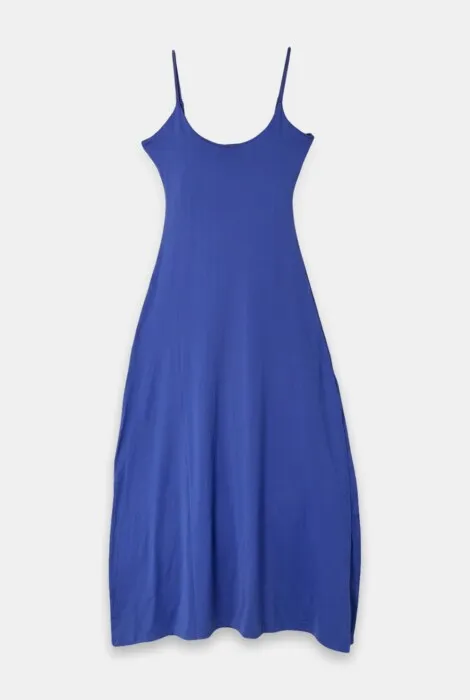
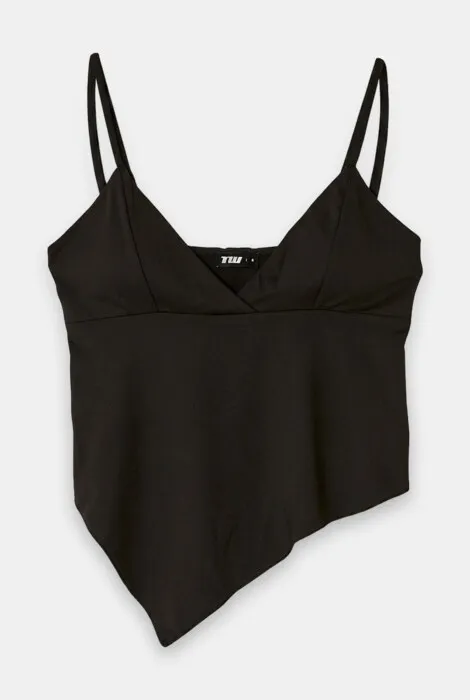
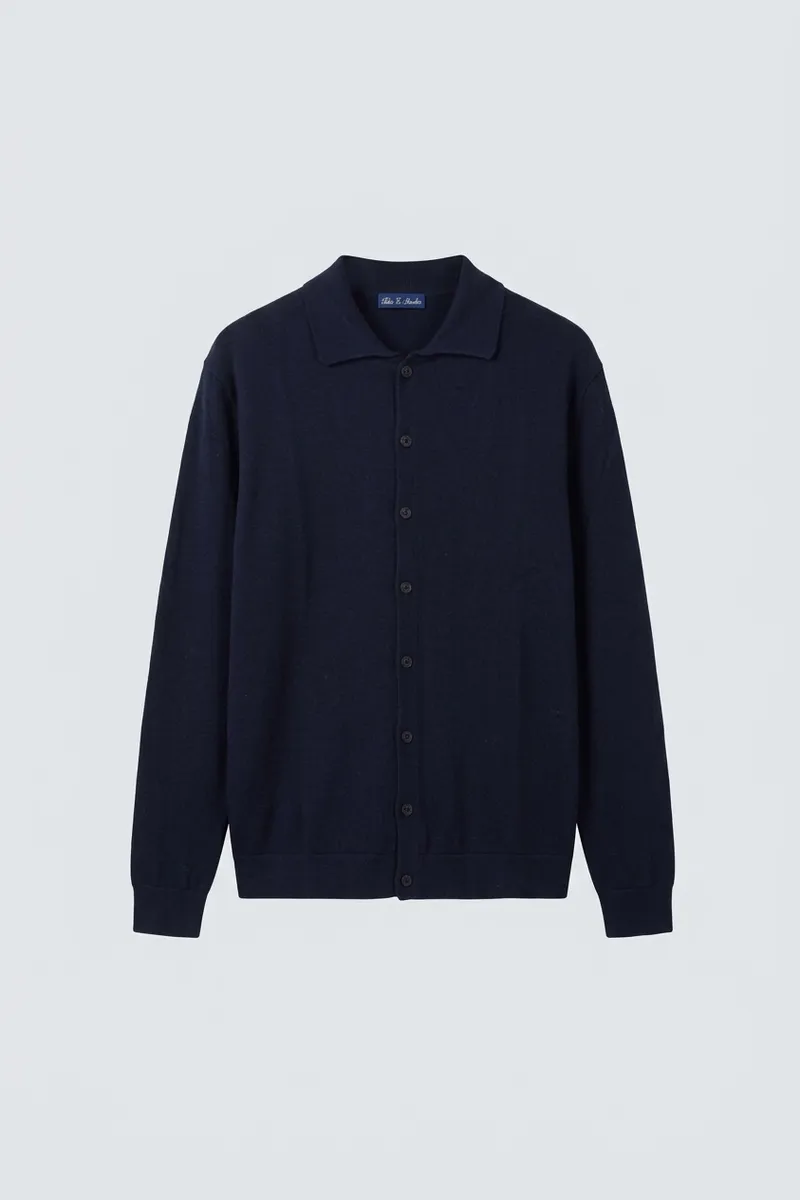
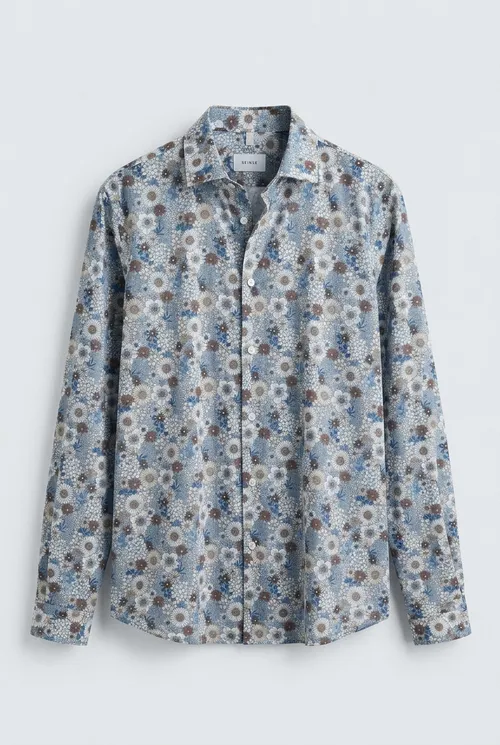

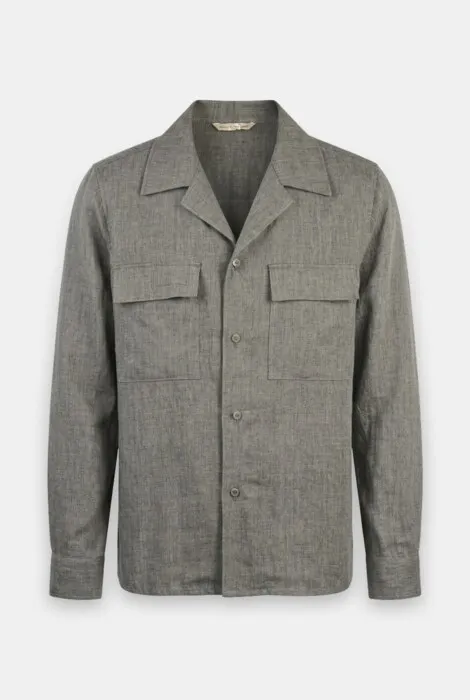

Check by check
What the scores actually look at.
Each check reads one property of the shot against the source photo. Watch them run on one shirt, or pick a check to see what it measures.
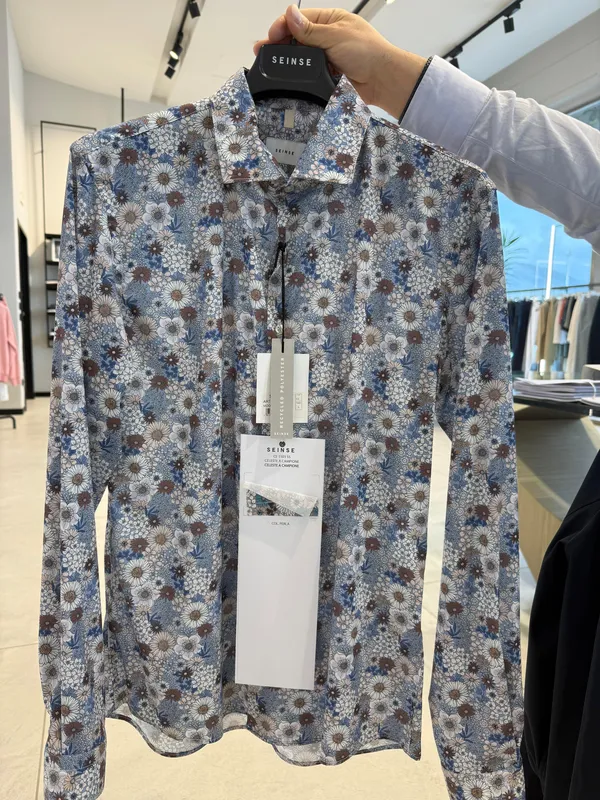
Small patches of the still life are compared with the same patches of the photo: print, weave and thread.
Two proprietary scores
Fidelity and commercial readiness, measured separately.
Both run on every generation, not on a sample, and both have to pass before an image can be approved.
- Measures source fidelity: overall match, color, texture, shape
- Flags drift and loss of detail before export
- Validated on every generation, not just samples
- Protects commercial readiness
- Checks sharpness, centering, background, shadow, export fit
- Filters out weak assets before manual QA
- Thresholds tuned for e-commerce, not just visual appeal
- Locks generation standards across large SKU volumes
- Ensures lighting, angle, background, and validation stay consistent
- Scale without drift, even at 100K+ assets
Gate logic
Only production-ready assets move downstream.
Every image is validated before export. If texture, color, shape, or output quality fall outside the standard, the generation is flagged or rejected automatically.
Meets all Similarity and Quality thresholds
Minor drift or quality issues. Auto-Heal makes one correction and keeps it only if it scores better; otherwise manual review is required
Fails core fidelity or quality checks, never exported
Each brand profile sets the score under which its shots are flagged.
Each defect has its severity and the instruction that fixes it, pinned on the image.
On-model shots are measured too: hem, sleeves, framing.
Scale proof
Consistency at catalog scale, not just for single SKUs.
Less manual QA and post-production drag.
Every one validated
One standard across the catalog